





Evolving As A Therapist
Self-Paced Course
Evolving as a Therapist
Evolving as a therapist is thoughtfully designed as a blend of self-paced learning and live engagements, aimed at bridging the gap between academic theory and real-world clinical practice. It is led by some of the most experienced professionals in the field.
The course has been curated with care, drawing on survey insights and the personal journeys of seasoned psychotherapists who openly shared their struggles while transitioning from training to private practice. We know that this transition can feel overwhelming—many young professionals report feeling unprepared to step into the therapy room during their initial years of practice.
In the early stages of a career, therapists often grapple not only with translating theory into practice, but also with the practical aspects of the profession—documentation, finances, and building visibility. This program has been designed to help you navigate these challenges and to build confidence in shaping a well-rounded, sustainable practice.
Each module takes into account your lived experience in the therapy room.
The course is divided into:
- A Foundational Module – covering essential skills and knowledge to support your practice.
- An Advanced ‘Build-Your-Own’ Module – tailored to your personal requirements and areas of interest.
We encourage you to take your time with the foundational module and join us for the live Q&A session in July 2026
Know your faculty
The evolving as a therapist foundation course includes

Ethics

Documentation

Therapeutic Alliance

Writing your profile

Business of Therapy

Managing your finances

Self-care

Supervision

Testimonials

Sreyoshi Ghosh
Psychiatrist
Overall, a good course and I would recommend it to therapists. The facilitators were knowledgeable and interactive and addressed all questions.My biggest take away was being reminded not to localise the problem solely in one person, even if they seemed to be struggling the most. The family sessions in the video were well linked to the theory sessions. I would have liked it if there were videos with grandparents too in the room and more coverage of transgenerational family dynamics.

Padma Srinivasa
Counselling psychotherapist
I would recommend every therapist to at least do the foundation course, since even in individual therapy, we not only deal with the individual but also the influence of family in establishing the way with which the individual reacts to the situation and the ongoing patterns. Learning this and much more understanding of approaches to tackle these issues makes this course worth the money and time spent.

Apoorva Shetty
Clinical psychologist
I would highly recommend this course for those entering the arena of family work. My biggest takeaway was how important systemic work is in our Indian context because most roles/rules get mixed up here. The facilitators were brilliant, observing them asking the right questions and managing their clients systematically but gently was a significant learning, besides understanding that one can only facilitate and nothing more. The quizzes were application based and helped me remember better and I plan to use these topics in my sessions too. I really liked the flow of the sessions and the discussions on cases which enabled me to understand the nuances better. Some concepts such as challenging families and situations including violence, infidelity etc. and the therapeutic system could have been more detailed.

Safwa Abdul Lateef
Group psychologist
I have enjoyed the brief introductory program very much. The opportunity to engage actively with systemic concepts in light of my current practice with groups and families has been helpful. Facilitators made enough room to link the learning experience to the Indian context. We were surprised how much of the material brought to us from another continent is similar to the experiences of understanding systems in India. What stood out is the directive and active stance of the therapist when compared to the analytic frame I am familiar with. It was especially helpful in working with difficult boundary issues families bring to our work, setting up the contract up front and opening up blocks to communication in couple and family work. I look forward to future endeavours with family work with The PARC.
Therapist
Have a question or topic you would like to address?
Completed the Foundation Topics ?
Pick from our advanced training courses one at a time. Write to us on info@theparc.in if you have any questions.
Advanced training courses
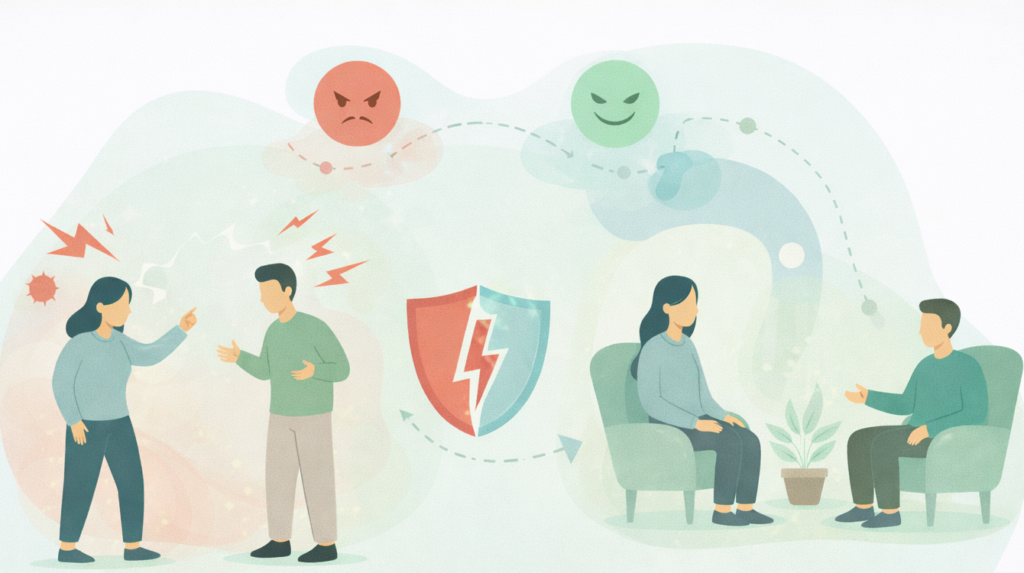
De-escalation in Therapy
Sustaining the Therapeutic Relationship
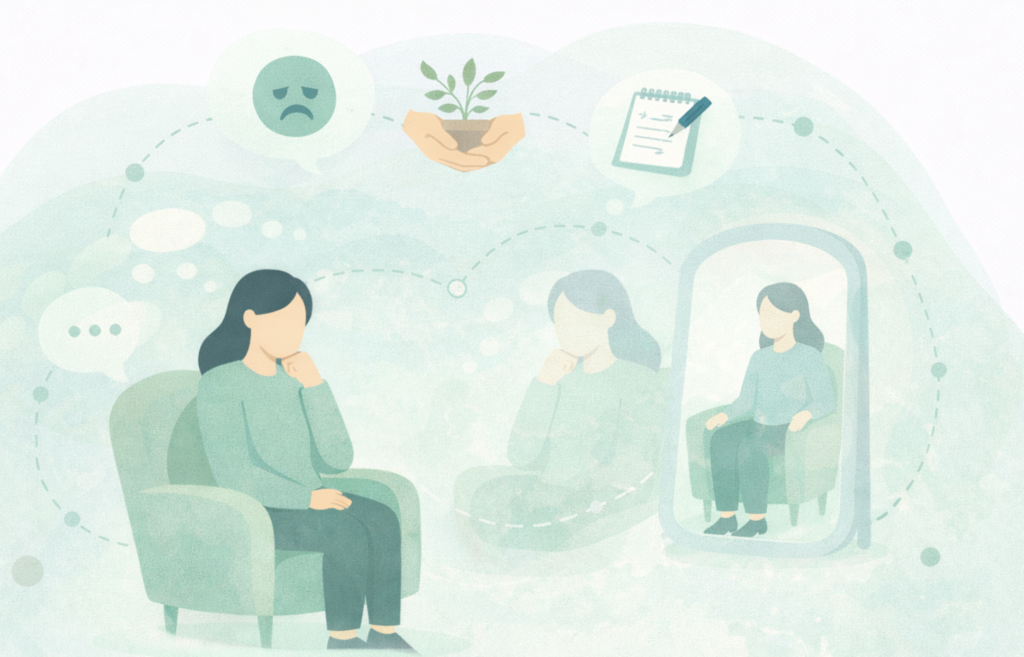
Reflective Practice for Mental Health Professionals
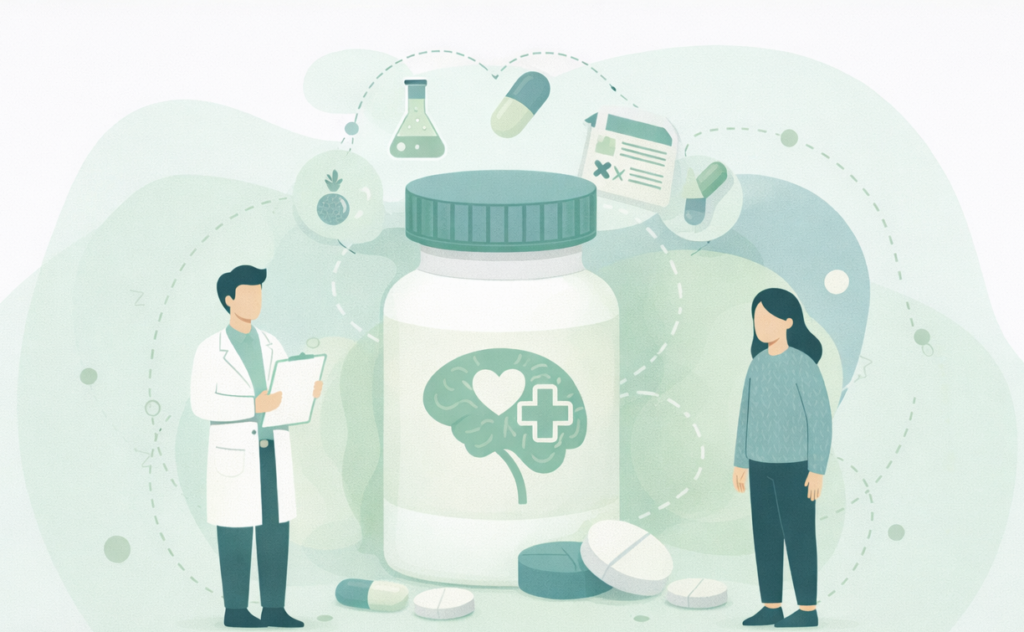
Understanding Psychotropic Medication
Got Questions ?
Frequently Asked Questions
Clear answers to common questions about our courses, workshops, certification, and support.
Who is this course designed for?
This course is intended for early-career therapists, counselling and clinical psychology trainees, and practitioners in the initial years of independent practice. It may also benefit professionals seeking to strengthen applied clinical skills and practice management.”
Is this course suitable for therapists already in practice?
Yes. While particularly relevant for early-career professionals, therapists in practice may benefit from refining their clinical approach, strengthening foundational skills, or expanding into new areas.
Do I need prior clinical experience to enrol?
A basic foundation in psychology or counselling is recommended. The course is designed to support the transition from academic learning to applied clinical work.
What is the structure of the course?
The course combines self-paced modules with live, interactive sessions. This blended format allows for flexible learning while also providing opportunities for real-time discussion, case-based learning, and guided reflection.
What does the ‘Build-Your-Own’ Advanced Module include?
The Advanced Module allows participants to customise their learning by selecting areas aligned with their clinical interests and developmental needs.
How is this course different from traditional training?
Unlike purely academic courses, this course emphasises applied learning, therapist experiences, and real-world challenges, integrating both clinical and practice-oriented competencies.