Certificate Course

Perinatal Mental Health For Obstetricians

Perinatal Mental Health Certificate Course for Obstetricians

This course is brought to you in partnership with
The perinatal period is a vulnerable time for women, when they are very likely to develop mental health problems. In India, the problem is highly prevalent with rates of anxiety and depression estimated at 15.6% among pregnant women and 19.8% among postpartum women. Apart from access to mental health services, one of the biggest challenges in India is the lack of uniform screening and poor awareness amongst OBGs who are the primary clinicians for these women.

The PARC, in collaboration with RCOG-SZ ( Royal College of Gynaecologists- South Zone India), has developed a unique training program with a joint faculty of OBG’s and Psychiatrists for the first time in India. 

Combination of self-paced and joint learning integrates didactic theory with case-based experiential learning

Learning Objectives

  • Identification of perinatal mental health issues in expecting and new mothers
  • Learning through actual cases presented by OBG faculties
  • Strategies for screening for mental illness and associated risk factors
  • Simple strategies for primary management
  • Understanding when to refer and established pathways to care

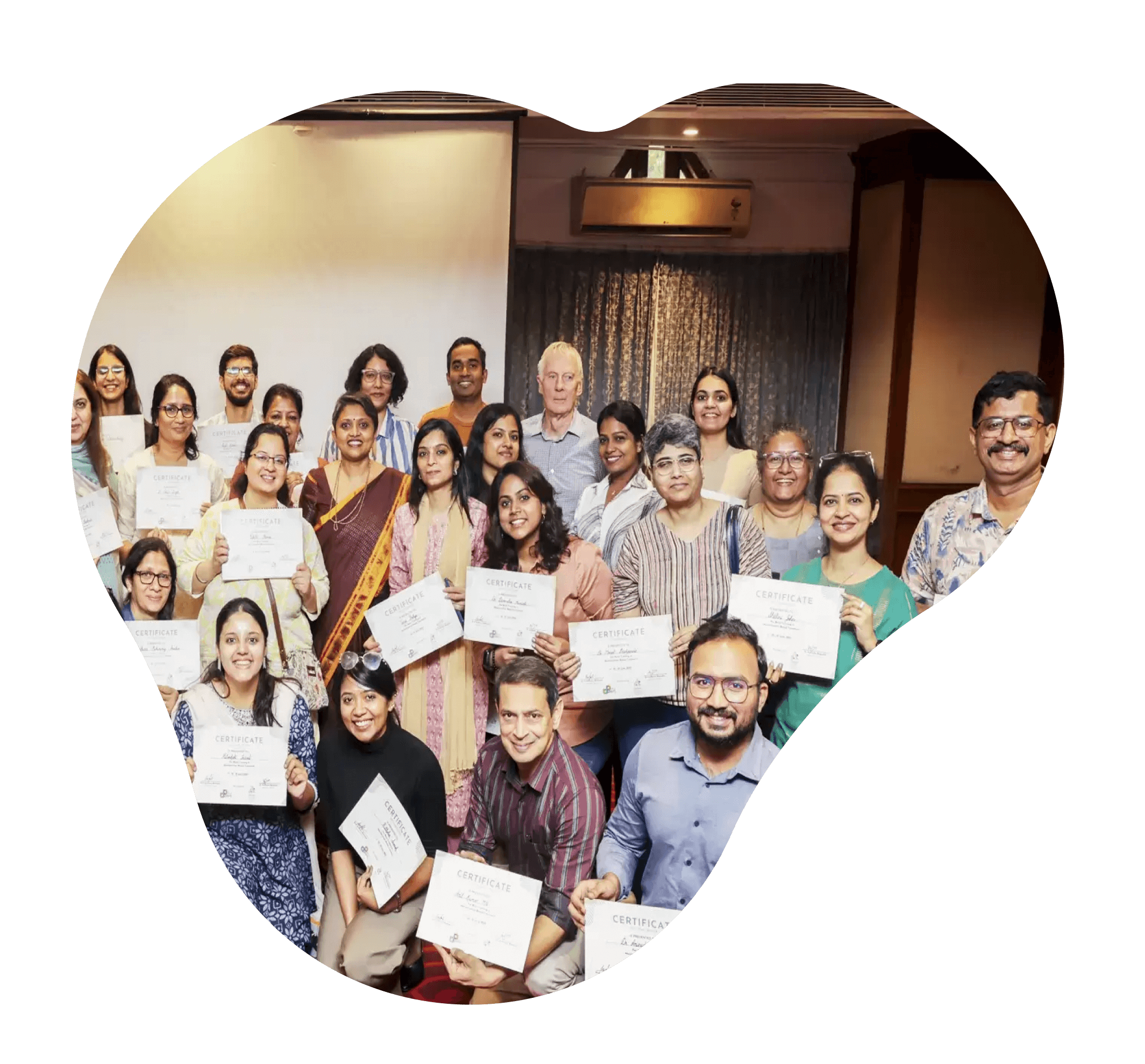
Our Training Footprint

Our Vision

Our vision is for every OBG in India to be trained and have improved mental health literacy, so that every woman who experiences mental health issues in the perinatal period has access to treatment at the earliest.

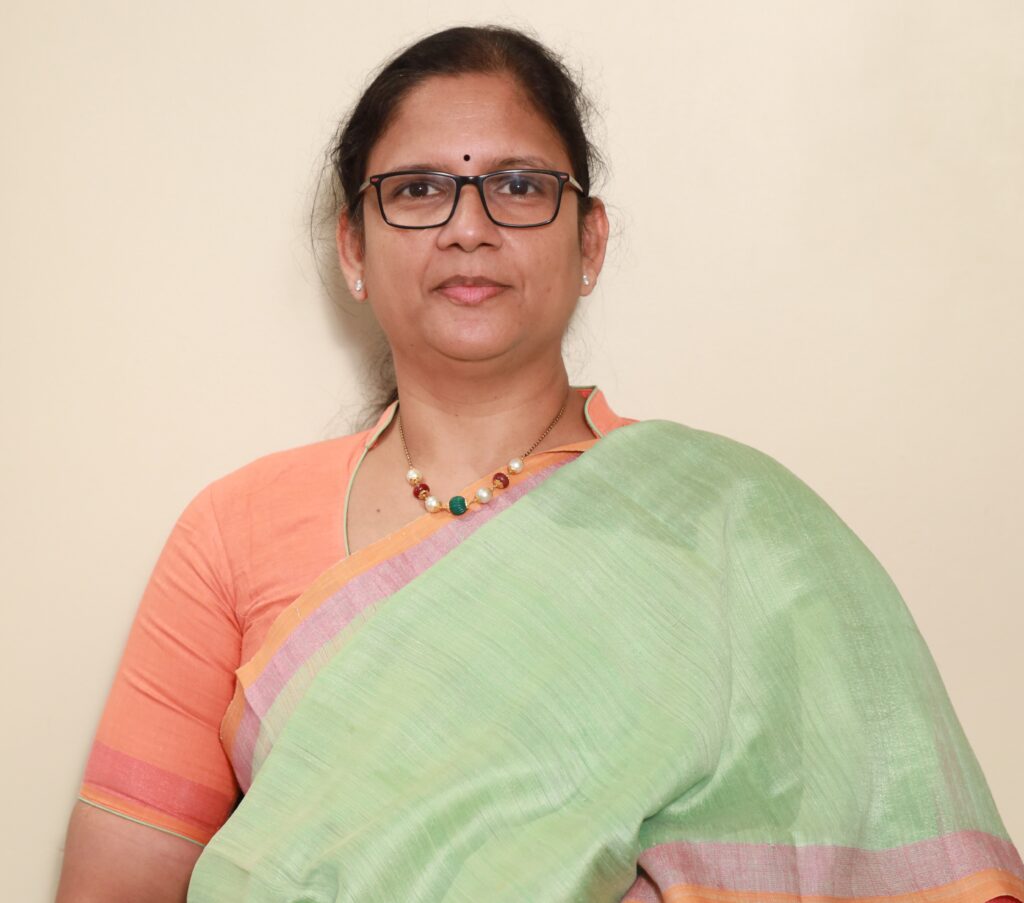
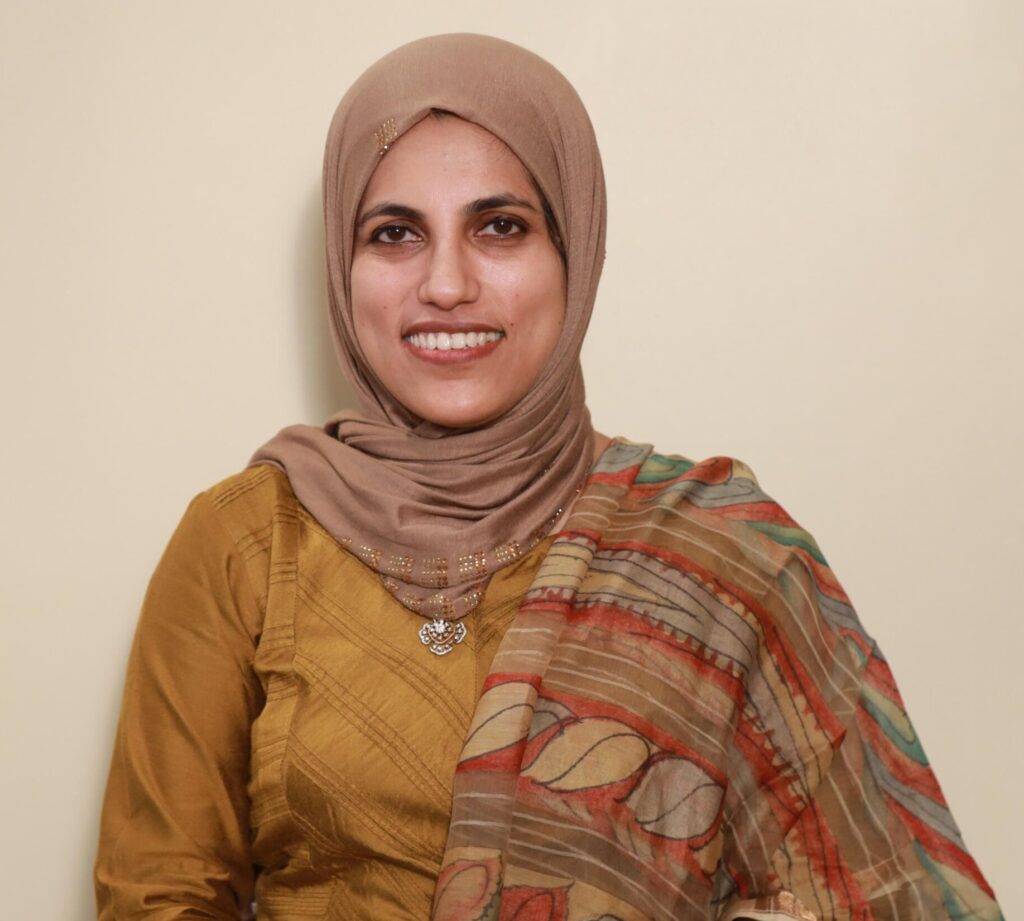
Psychiatric Faculty

Obstetric Faculty

Testimonials

Sreyoshi Ghosh
Sreyoshi GhoshPsychiatrist
Overall, a good course and I would recommend it to therapists. The facilitators were knowledgeable and interactive and addressed all questions.My biggest take away was being reminded not to localise the problem solely in one person, even if they seemed to be struggling the most. The family sessions in the video were well linked to the theory sessions. I would have liked it if there were videos with grandparents too in the room and more coverage of transgenerational family dynamics.

Padma Srinivasa
Padma Srinivasa Counselling psychotherapist
I would recommend every therapist to at least do the foundation course, since even in individual therapy, we not only deal with the individual but also the influence of family in establishing the way with which the individual reacts to the situation and the ongoing patterns. Learning this and much more understanding of approaches to tackle these issues makes this course worth the money and time spent.

Apoorva Shetty
Apoorva ShettyClinical psychologist
I would highly recommend this course for those entering the arena of family work. My biggest takeaway was how important systemic work is in our Indian context because most roles/rules get mixed up here. The facilitators were brilliant, observing them asking the right questions and managing their clients systematically but gently was a significant learning, besides understanding that one can only facilitate and nothing more. The quizzes were application based and helped me remember better and I plan to use these topics in my sessions too. I really liked the flow of the sessions and the discussions on cases which enabled me to understand the nuances better. Some concepts such as challenging families and situations including violence, infidelity etc. and the therapeutic system could have been more detailed.

Safwa Abdul Lateef
Safwa Abdul Lateef Group psychologist
I have enjoyed the brief introductory program very much. The opportunity to engage actively with systemic concepts in light of my current practice with groups and families has been helpful. Facilitators made enough room to link the learning experience to the Indian context. We were surprised how much of the material brought to us from another continent is similar to the experiences of understanding systems in India. What stood out is the directive and active stance of the therapist when compared to the analytic frame I am familiar with. It was especially helpful in working with difficult boundary issues families bring to our work, setting up the contract up front and opening up blocks to communication in couple and family work. I look forward to future endeavours with family work with The PARC.

We are planning future cohorts of the Foundation Course in Perinatal Mental Health.

Register your interest to receive updates when enrolments open.

    Got Questions ?

    Frequently Asked Questions

    Clear answers to common questions about our courses, workshops, certification, and support.

    This course is primarily designed for obstetricians and gynaecologists. However, other healthcare professionals involved in maternal care may also benefit from the training, depending on relevance to their clinical practice.

    No prior training in mental health is required. The course is designed to build foundational knowledge and skills in identifying and managing perinatal mental health concerns within clinical settings.

    Yes, the course includes training in identifying perinatal mental health issues and introduces strategies for screening for mental illness and associated risk factors in clinical practice.

    No, this course does not qualify participants to independently diagnose or treat mental health conditions. It focuses on improving identification, basic management, and appropriate referral pathways.

    Yes, you need to attend 100% of the live session in order to receive access to the online modules.