MBT South Asia Network

Certificate Course
Mentalisation Based Treatment
Program Overview
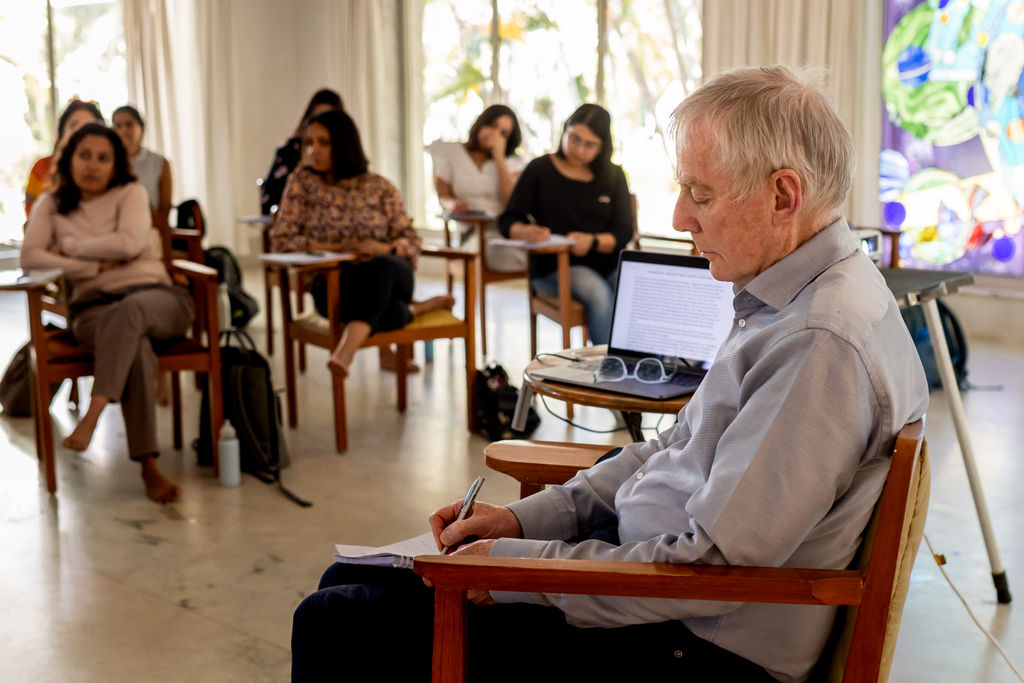
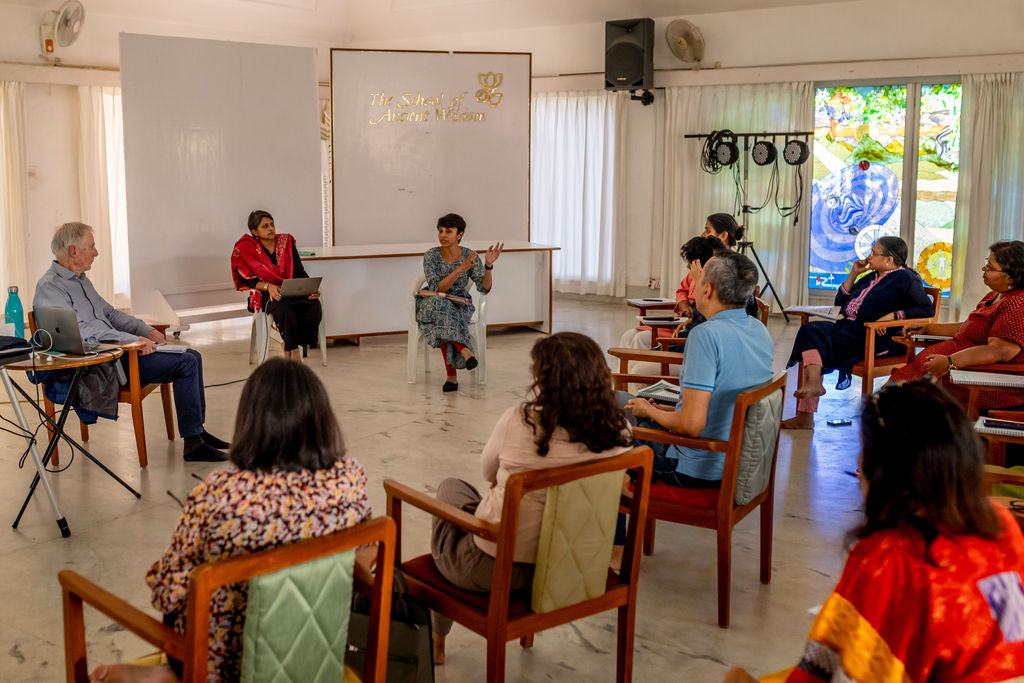
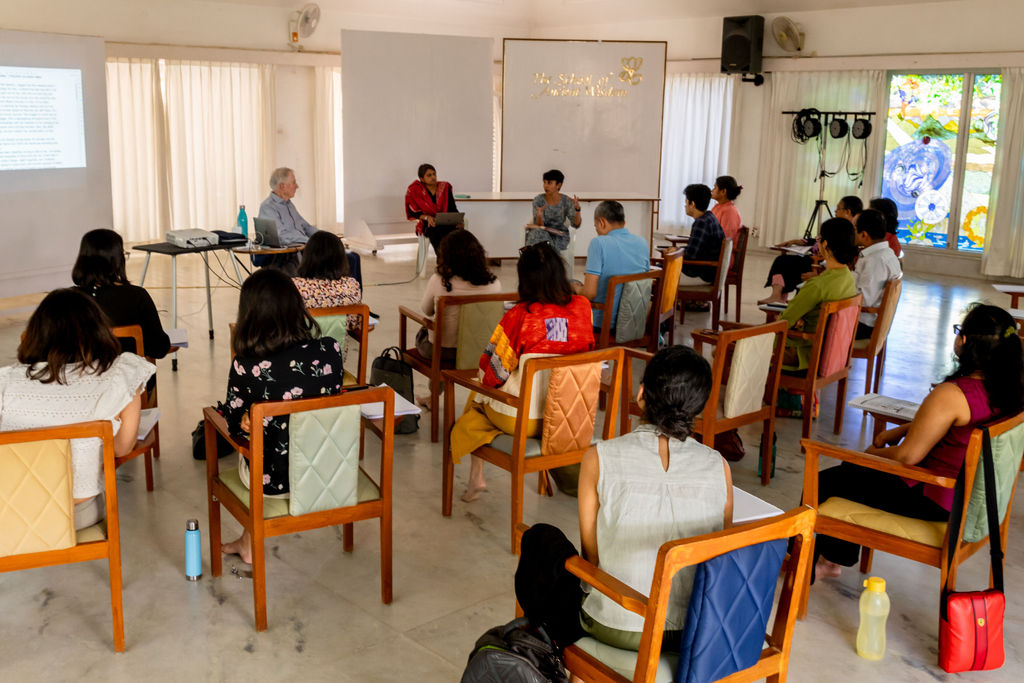
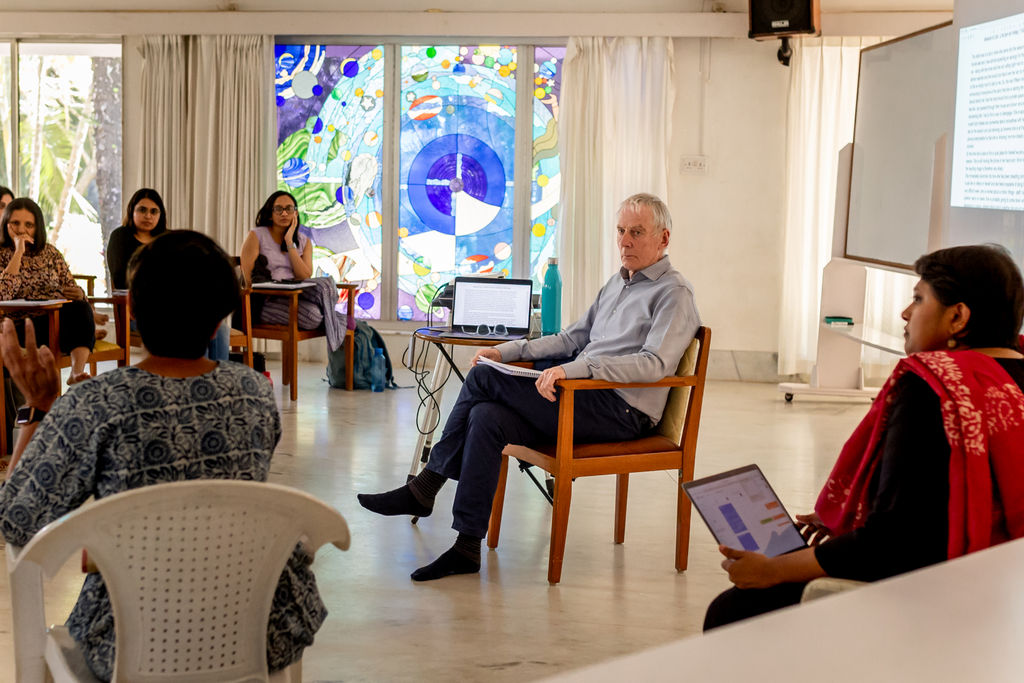
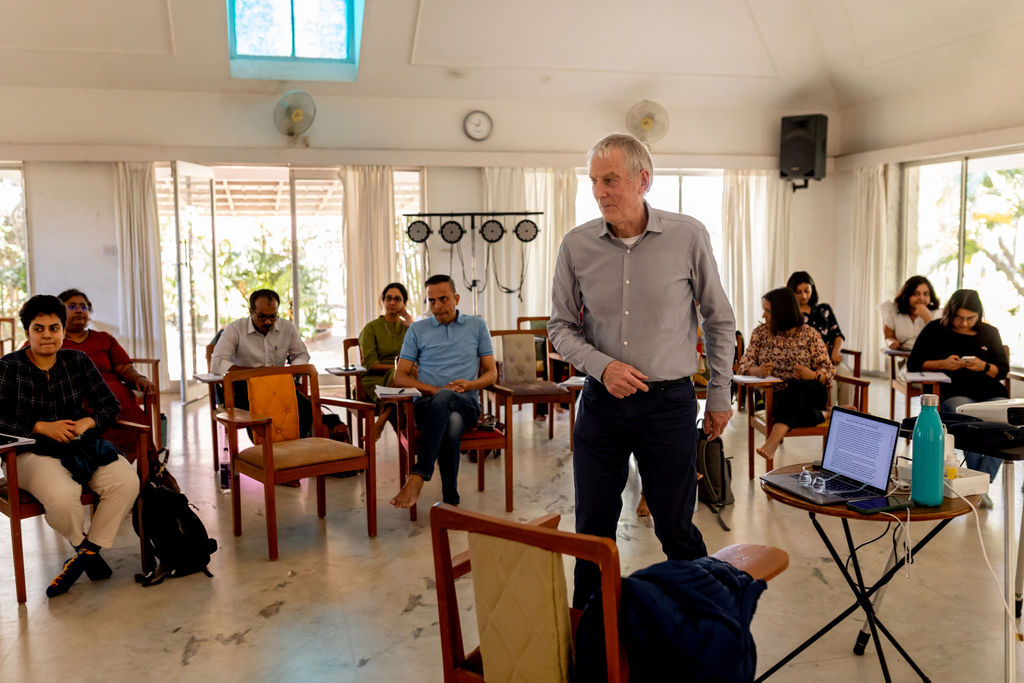
Three Day Basic training in Mentalization Based Therapy
- Dates: 19, 20, 21 June, 2026
- Full fee: ₹59,200
- Early bird fee: ₹48,300
- Student fee: ₹49,100
- Student early bird: ₹38,300
- Location: Bangalore
Early bird offer closes on 31 March 2026.
Two seats will receive learning grants.
Write to us at info@thaparc.in for more details.
Two-day advanced skills training course expands on skills of MBT learned in basic training.
- Includes: Current developments in MBT, use of MBT adherence scale, and working with individuals and groups through role plays, videos, and clinical demonstrations
- Eligibility: Basic 3-day training in MBT followed by supervised practice by an accredited MBT supervisor
- Dates: 17, 18 June 2026
- Full fee: ₹47,330
- Early bird fee: ₹41,250
- Location: Bangalore
Mentalization Based Treatment (MBT) is an innovative evidence based treatment developed by Professors Anthony Bateman and Peter Fonagy, initially for the treatment of borderline personality disorder (BPD), now used on a wide range of disorders.
Mentalization is a basic stance that requires emotional regulation and ability to reflect on self and the other, as demanded by any given situation. People with a history of attachment trauma, personality disorder and other mental disorders that disrupt emotional regulation, historically, are more likely to have reduced capacity to mentalize. While most therapies incidentally improve mentalizing and reflective capacity, MBT is one of the first approaches that focuses on it as a core outcome.
MBT training equips clinicians with skills that facilitate client mentalizing. This differs from the therapist attitude used in other treatment modalities.
About the network
MBT training was first brought to India by The PARC in 2019, commencing the journey of training, supervised and experiential learning for the first batch of clinicians from a diverse background. This network is part of the MBT global network that is managed by the Anna Freud Centre, London, UK and is responsible for monitoring quality of the curriculum and ensuring achievement of core competencies by certified clinicians.
This page forms the central point of access for updates on MBT and upcoming training programs in South Asia. Until now, general MBT training has been delivered to interested clinicians. In the near future, we hope to bring trainers to deliver wider applications of therapy skills including MBT with adolescents, parents, families and other client groups.
MBT Basic and Advanced Training is accredited by 
Register your interest to be notified when enrolments open.
Training Pathway
Basic Training
Supervision
Practitioner Training
Course faculty
International faculty and programme leadership.
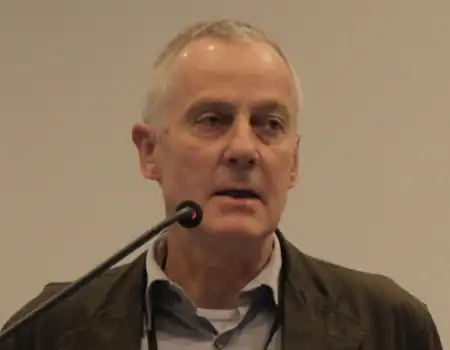
Dr Anthony Bateman
Principal trainer
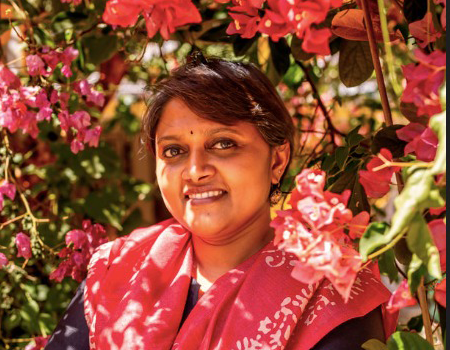
Dr Ashlesha Bagadia
Associate trainer
Testimonials
Prakriti Nanda
Psychologist
The MBT training equipped me with the ability to situate a client's attachment history in the MBT framework to develop effective therapy outcomes. The pointed feedback offered by the trainers and participants on session recordings helped me correct my therapist stance, especially in challenging sessions. Overall, I gained clarity on the trajectory of clients' progress.
Dr Bhargavaraman R P
Psychiatrist
I was fortunate enough to be in trained by Prof Anthony Bateman. The MBT approach takes away the myth of having to be an expert to know your patients mind, instead encourages you to be present along with your patients to help discover themselves. MBT has provided me a sense of great confidence to deal with complex personality disorders in my clinical practice.
MBT India: Practitioner and Trainees
Basic Trainees
- Sangeetha O S
- Dr. Anirudh Bakam
- Dr Diveesha Munipati
- Tanvi Baluja
- Tamanna Singh
- Rajeev
- Madhura Mukundraj Anvikar
- Ruthshee Suresh
- Dr Shilpa Vilas Waikar
- Anil Kumar M N
- Kanak Kataria
- A Chinmayee, clinical psychologist, Bangalore
- Aishwarya Pethe-Kulkarni, clinical psychologist, Bangalore
- Ajit Bhide, psychiatrist, Bangalore
- Ambika Singh, clinical psychologist, New Delhi
- Ananta Khare, clinical psychologist, Bangalore
- Anupama K Arun, clinical psychologist, Bangalore
- Apoorva Sudhakara Shetty, clinical psychologist, Bangalore
- Arpitha Anand, clinical psychologist, Bangalore
- Arushee Wahi, clinical psychologist, Bangalore
- Ashima Gupta, clinical psychologist, New Delhi
- Rameela Shekhar, psychiatric social worker, Bangalore
- Rathna Isaac, clinical psychologist, Bangalore
- Reena Thomas, clinical psychologist, Bangalore
- Rhea Dubey, counselling psychologist, Gurgaon
- Sabina Rao, psychiatrist, Bangalore
- Sahana S, clinical psychologist, Bangalore
- Sheetal Lakhani, clinical psychologist, Bangalore
- Sherin Susan Suresh, psychologist, Bangalore
- Shweta Kadaba, clinical psychologist, Bangalore
- Siddhika Ayyer, psychiatrist, Chennai
- Smitha K, clinical psychologist, Bangalore
- Sneha Goyal, clinical psychologist, Bangalore
- Mathew R John
- Ann Xavier Choolackal
- Dr Monali Deshpande
- Nikita Oberoi
- Rohini Agnew
- KanchanThakeria
- Kapil Kataria
- Megha Kar
- Mehr Chakraborty
- Alka V
- Dr Aditi Singh
- Bakul Dua, clinical psychologist, Bangalore
- Barsleeby Alex Daniel, clinical psychologist, Thiruvalla
- Bhavna Vijay, clinical psychologist, Bangalore
- Chaithanya Vannarath, counselling psychologist, Bangalore
- Deepak Jayarajan, psychiatrist, Bangalore
- Divya Ganesh Nallur, psychiatrist, Bangalore
- Dr Chandrima Misra Mukherjee, clinical psychologist, Gurgaon
- Dr Alafia J, clinical psychologist, Bangalore
- Dr Pranaya Ravindran Prabhu, psychiatrist, Australia
- Dr Nitin Anand, clinical psychologist, Bangalore
- G Vikram Prabhu, psychiatrist, Bangalore
- Gayathri Devadasan, clinical psychologist, Bangalore
- Sowmya Krishna, psychiatrist, Bangalore
- Srividya Rajaram, clinical psychologist, Bangalore
- Subhashini Gopal, clinical psychologist, Chennai
- Sukanya S, counselling psychologist, Bangalore
- Systla Rukmini, clinical psychologist, Bangalore
- Tavleen Kaur Kohli,clinical psychologist, Bangalore
- Tejas Shah, clinical psychologist, Mumbai
- Thomas Mathai, psychiatrist, Cochin
- Vaisnvy Kapur,clinical psychologist, Bangalore
- Varsha Suresh, counselling psychologist, Bangalore
- Vinod Kumar, psychiatrist, Bangalore
- Yamini D, psychiatrist, Bangalore
- Aparna Sridharan
- Lokesh S
- Ankita
- Priya
- Harshita Gulati
- Upasana Ravinder
- Shalini John
- Hitankshi
- Vrinda Dinesh
- Akanksha Anil
- Harikrupa Sridhar
- Jaisal Jamal, clinical psychologist, Calicut
- Janaki R, psychiatrist, Chennai
- Jayakumar Menon, psychiatrist, Chennai
- John Vijay Sagar Kommu, psychiatrist, Bangalore
- Jyotsna Agrawal, clinical psychologist, Bangalore
- Kannan Ganeshan Kallapiran, psychiatrist, Gold Coast
- Lavanya P Sharma, psychiatrist, Bangalore
- Madhusudan Srinivasan, psychiatrsit, Bangalore
- Mahesh Natarajan, counsellor, Bangalore
- Manisha Gokhale
- Masooma Mahtabi
- Meera Alva
- Monisha Sharma, clinical psychologist, Bangalore
- Muhammed Sabih, clinical psychologist, Calicut
- Nagasudha T, clinical psychologist, Tiruchirappalli
- Nitya Dhruve, clinical psychologist, Bangalore
- Pallavi Shetty, counsellor, Bangalore
- Poornima V, clinical psychologist, Bangalore
- Prabha S Chandra, psychiatrist, Bangalore
- Prateek Sharma, clinical psychologist, Bangalore
- Preeti Jacob, psychiatrist, Bangalore
- Princy Jain, clinical psychologist, Bangalore
- Priya Puri, clinical psychologist, Bangalore
- Priyanka K, clinical psychologist, Bangalore
- R Akshaya, clinical psychologist, Bangalore
- Radhika E S, psychiatrist, Bangalore
- Rajakumari P Reddy, clinical psychologist, Bangalore
- Sowmya Bhaskaran, psychiatrist, Bangalore
Advanced Trainees
- Archana Ramanathan, counsellor, Bangalore
- B Suhavana, clinical psychologist, Chennai
- Dr Jyothsna Chandur, clinical psychologist, Bangalore
- Himani Kashyap, clinical psychologist, Bangalore
- K Dharani Devi, clinical psychologist, Bangalore
- Kanika Mehrotra, clinical psychologist, Bangalore
- Lakshmi Venkatraman, psychiatrist, Chennai
- Manila Mariam Mathews, clinical psychologist, Bangalore
- Mehak Sikand, clinical psychologist, Bangalore
- Nisha John, clinical psychologist, Bangalore
- Nithya Poornima Murugappan, clinical, psychologist, Bangalore
- Poornima Bhola, clinical, psychologist, Bangalore
- Poornima Mahindru, clinical, psychologist, Bangalore
- Prakriti Nanda, counselling psychologist, Gurgaon
- Ragini Yerragudi, counsellor, Bangalore
- Shabari Bhattacharyya, counsellor, Bangalore
- Shilpa Nagaraj, clinical psychologist, Bangalore
- Shreedhar Kantur Basave Gowda, psychiatrist, Bangalore
- Sreyoshi Ghosh, psychiratrist, Bangalore
MBT Practitioner
- Bhargavaraman Ramanathapura Parthsarathy, psychiatrist, Bangalore
MBT Practitioner and Supervisor
- Dr Ashlesha Bagadia, psychiatrist and psychotherapist, Bangalore
Got Questions ?
Frequently Asked Questions
Clear answers to common questions about our courses, workshops, certification, and support.
Where should I start if I am new to MBT?
If you are new to MBT, it is recommended to begin with an introductory course, such as the self-paced “Introduction to MBT,” before progressing to formal training within the MBT pathway.
Is it necessary to complete all stages of the training pathway?
Yes. To be an MBT practitioner, you need to complete the full training pathway—typically including basic training, supervised practice, and advanced/practitioner-level training.
Does completing the MBT training allow me to independently practice MBT?
After completing the basic training, clinicians may begin to apply MBT principles in their work. However, full qualification as an MBT practitioner requires completion of advanced training and demonstration of competency, including submission of a logbook with case summaries. Ongoing supervision with an accredited MBT supervisor is strongly recommended even after certification.
What is the difference between the self paced “Introduction to MBT” course and the formal MBT training pathway?
The self-paced introductory course provides a foundational understanding of MBT concepts. In contrast, the formal training pathway involves structured, in-depth training that includes face-to-face sessions, supervision of clinical work, and progression toward practitioner-level competency within the global MBT network.